There's a particular dream that brings people to rural Ontario: a home of your own design, set on land you can walk for an hour without leaving. Building on acreage is absolutely achievable, but it runs on a different set of rules than a city lot. Here's how the process really works, in order.
This is a roadmap, not legal or engineering advice. Every property is different, and your township, conservation authority and a good local builder are your real authorities. But knowing the sequence (and the costs that surprise first-time rural builders) will save you months.
1. Start with the land's rules, not the floor plan
Before you fall in love with a design, understand what the parcel will let you do. The key documents and questions:
- Zoning: Is the land zoned to permit a single-family dwelling? Agricultural, rural-residential and environmental-protection zones each carry different permissions.
- Setbacks: Minimum distances from roads, lot lines, wells, septic beds and any watercourse will shape where the house can sit.
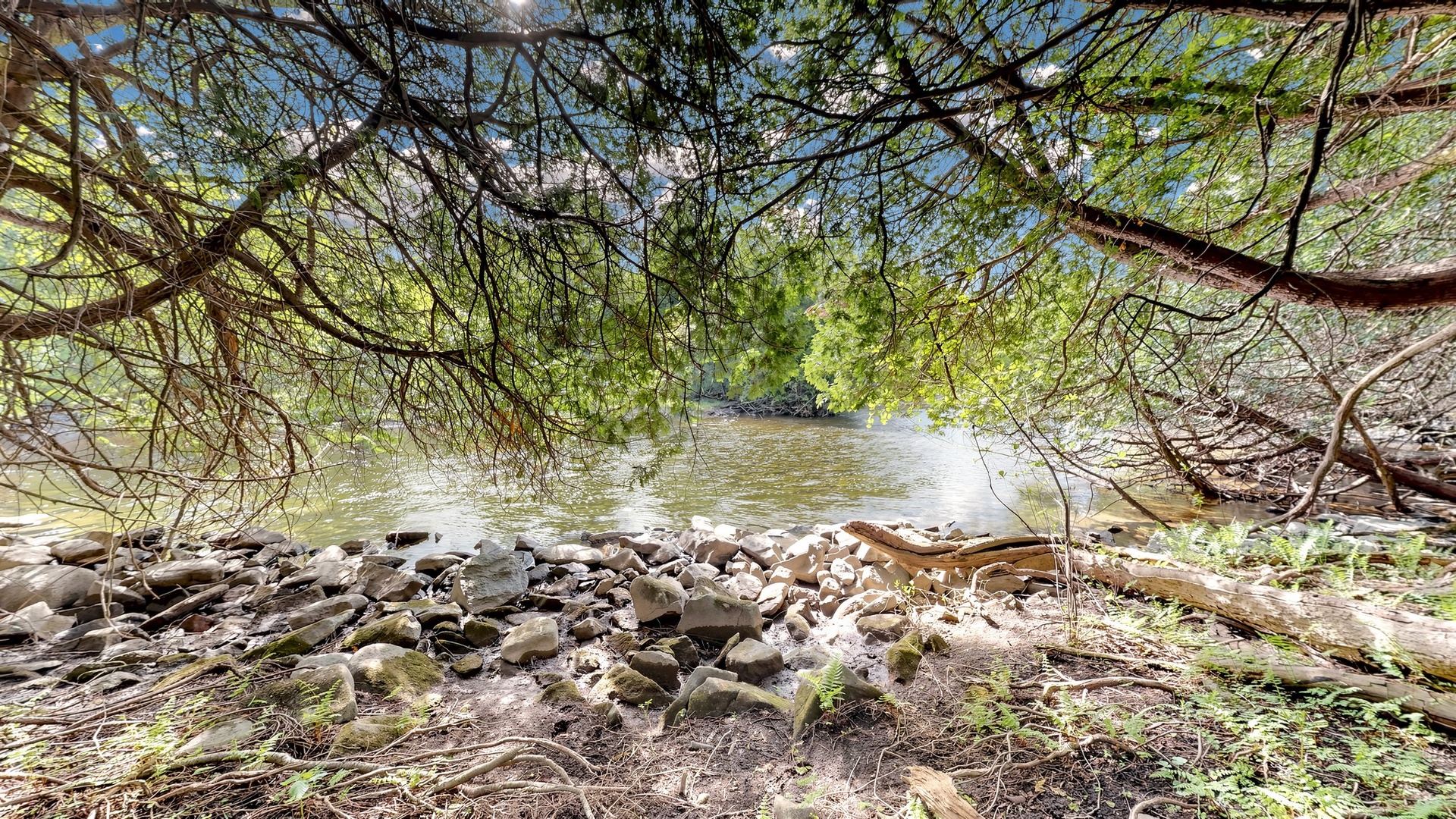
- Conservation authority: If a river, creek, wetland or floodplain crosses the land, the local conservation authority (for the Eramosa area, Grand River Conservation Authority) may regulate building near it and require a permit.
- Easements & access: Confirm legal, year-round access to the buildable area and the location of any utility easements.
- A 13-acre parcel does not mean you can build anywhere on it. Setbacks and environmental rules concentrate the buildable "envelope."
- Talk to the township building department early. A 30-minute conversation can reveal deal-breakers or easy wins.
- Already-serviced land, with a proven well, approved septic and a building envelope, is worth a real premium over raw land.
2. Water: drilling a well
No municipal water out here. Most rural Ontario homes draw from a drilled well. You'll hire a licensed well contractor, and the depth (and therefore the cost) depends on local geology and the water table. Budget for the drilling, a pump and pressure system, and water-quality testing for bacteria, nitrates and hardness. A strong, clean well is one of the most valuable features rural land can have, which is why an existing tested well de-risks a build considerably.
3. Waste: the septic system
With no municipal sewers, you'll install a private septic system sized to the number of bedrooms. This requires a permit and a percolation/soil evaluation to confirm the ground can absorb effluent. Conventional tile beds are cheapest where soils drain well; tighter or shallow soils may need a raised or engineered bed, which costs more. Site the bed early. It eats a surprising amount of land and dictates where the house and driveway can go.
4. Power, heat & connectivity
- Hydro: If the grid is at the road, you'll pay for the connection and any distance from the line to the house. Off-grid solar is a growing alternative.
- Heat: Many rural homes use propane, heat pumps, or wood as a backup; there's rarely natural gas.
- Internet: Check what's actually available (fibre, fixed wireless or satellite) if you plan to work from home.
5. The approvals & permits sequence
In rough order, a rural build moves through: a land/zoning review → conservation authority approval (if applicable) → septic permit → well → an entrance/driveway permit from the road authority → the building permit itself → construction inspections → final occupancy. Each step can have its own lead time, and they sometimes depend on one another, so build a realistic schedule with your designer and builder.
The single biggest difference between building in town and building on land is time. Approvals, well, septic and a custom design all run on their own clocks. Plan in seasons, not weeks.
6. Budget honestly
Beyond the house itself, rural builders should budget for the "site" costs that a city lot already includes:
- Well drilling, pump and water treatment
- Septic design, permit and installation
- Driveway/laneway, culvert and grading
- Hydro connection or off-grid system
- Surveys, soil tests, conservation and permit fees
- A contingency (10–15%) is prudent on a custom build
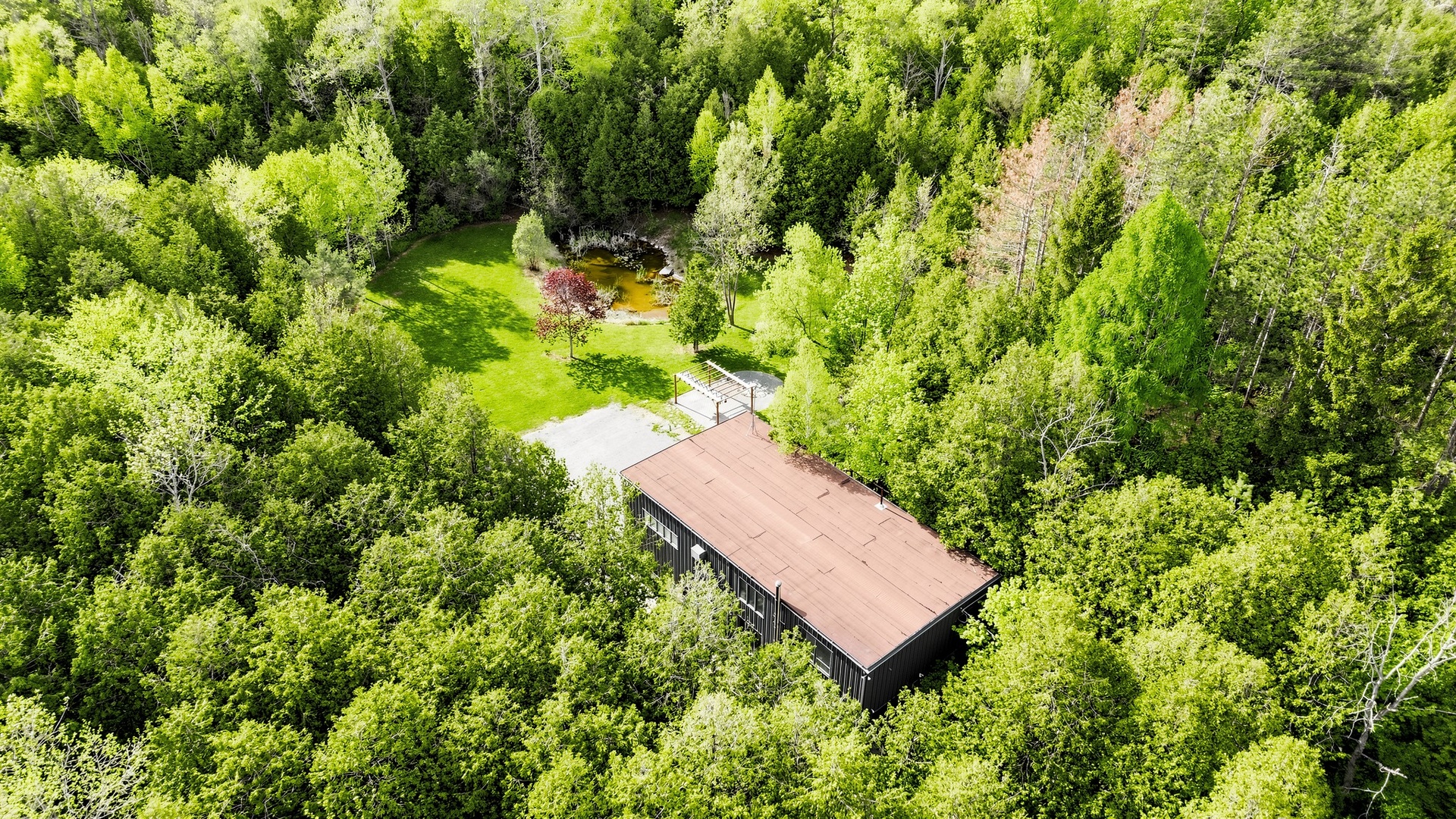
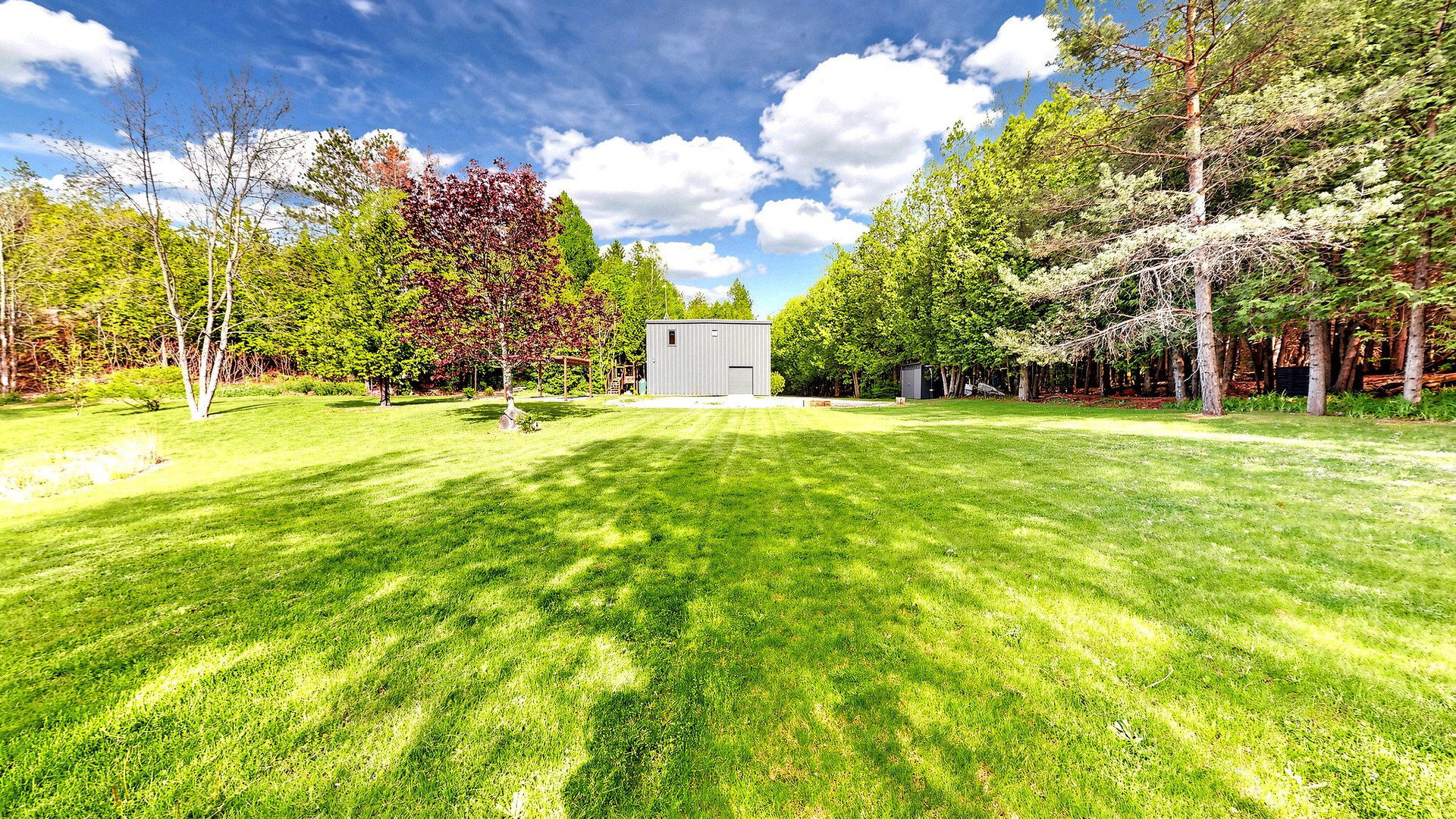
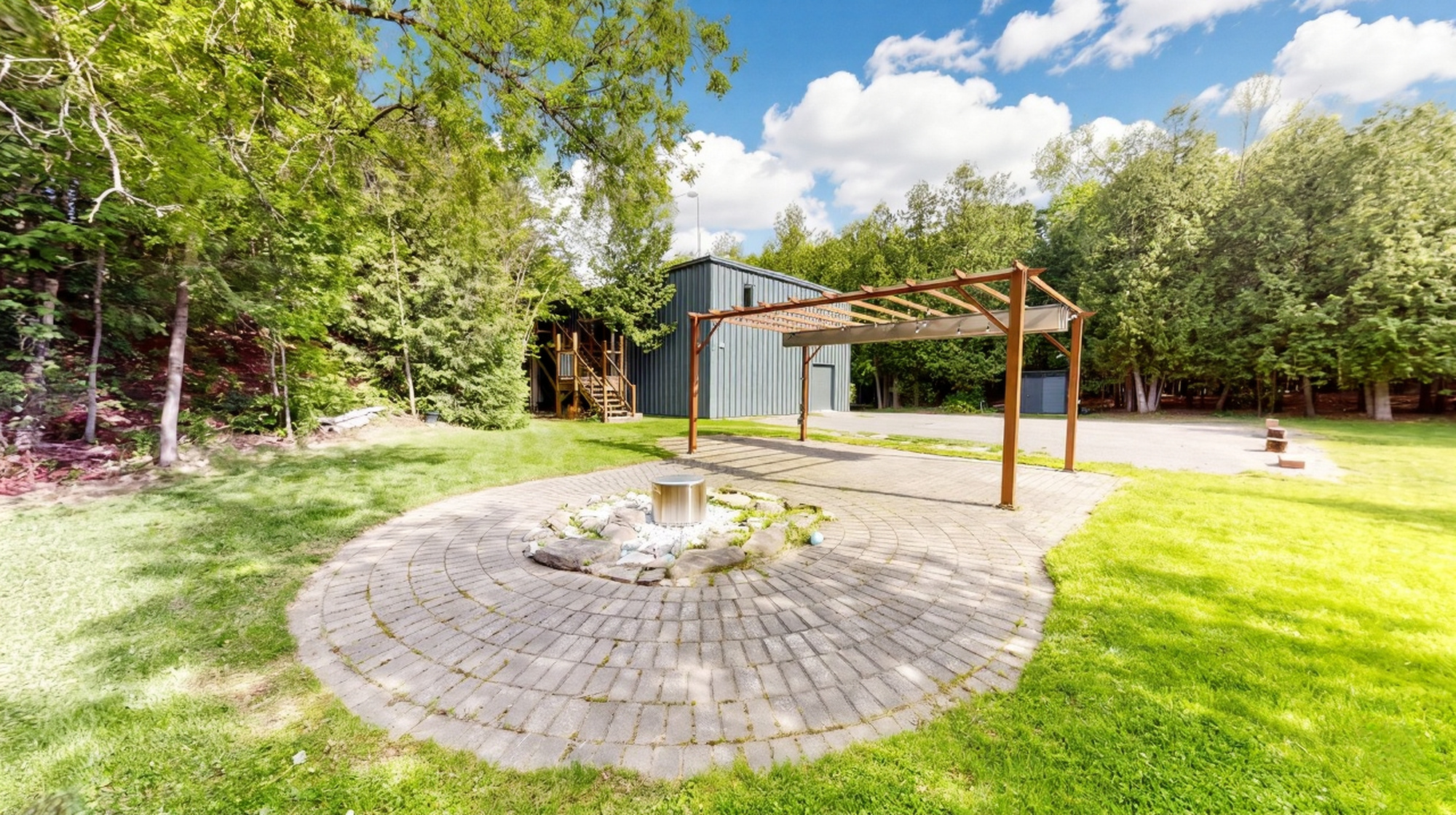
An existing structure on the land, say a sound steel workshop, can also be a head start, providing storage, a site office, or even a footprint to convert rather than build from zero.
7. Or skip the dirt-to-drywall years entirely
Building from raw land is deeply rewarding, but it is a multi-year project. The alternative many buyers choose is to buy land that already carries a finished, permitted structure, gaining the acreage, the water frontage and the forest now, with the home already standing.
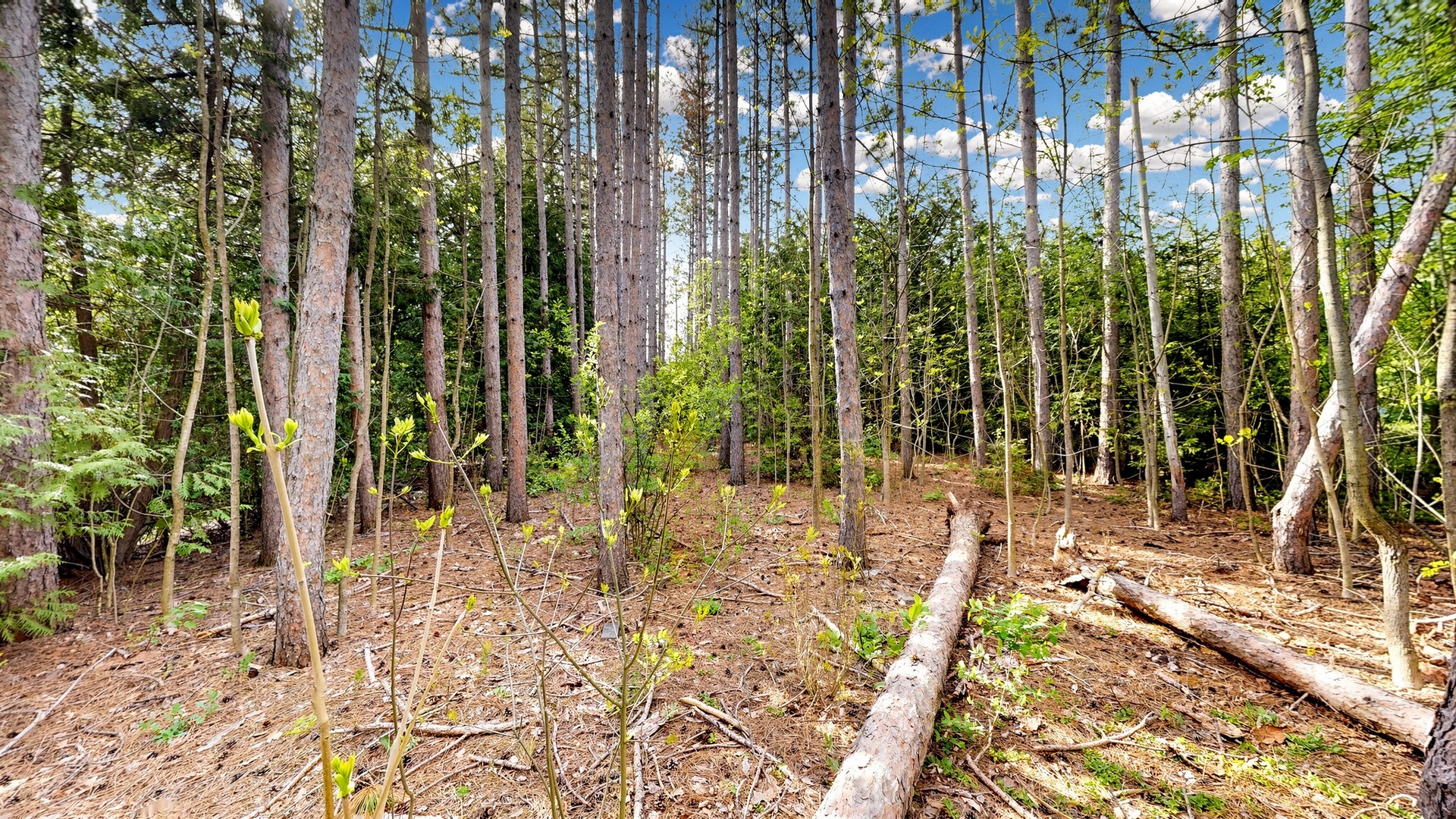
The land & the build, already done.
44 Edgewood Road pairs 13.58 acres of forest and river frontage with a finished 3,099 sq ft steel workshop-home: the rural canvas, with the hardest parts already complete.
However you get there, whether building from scratch or buying it built, owning acreage in Ontario is one of the most durable lifestyle decisions you can make. Go in with the sequence in mind, lean on local experts, and budget for the land as well as the house.