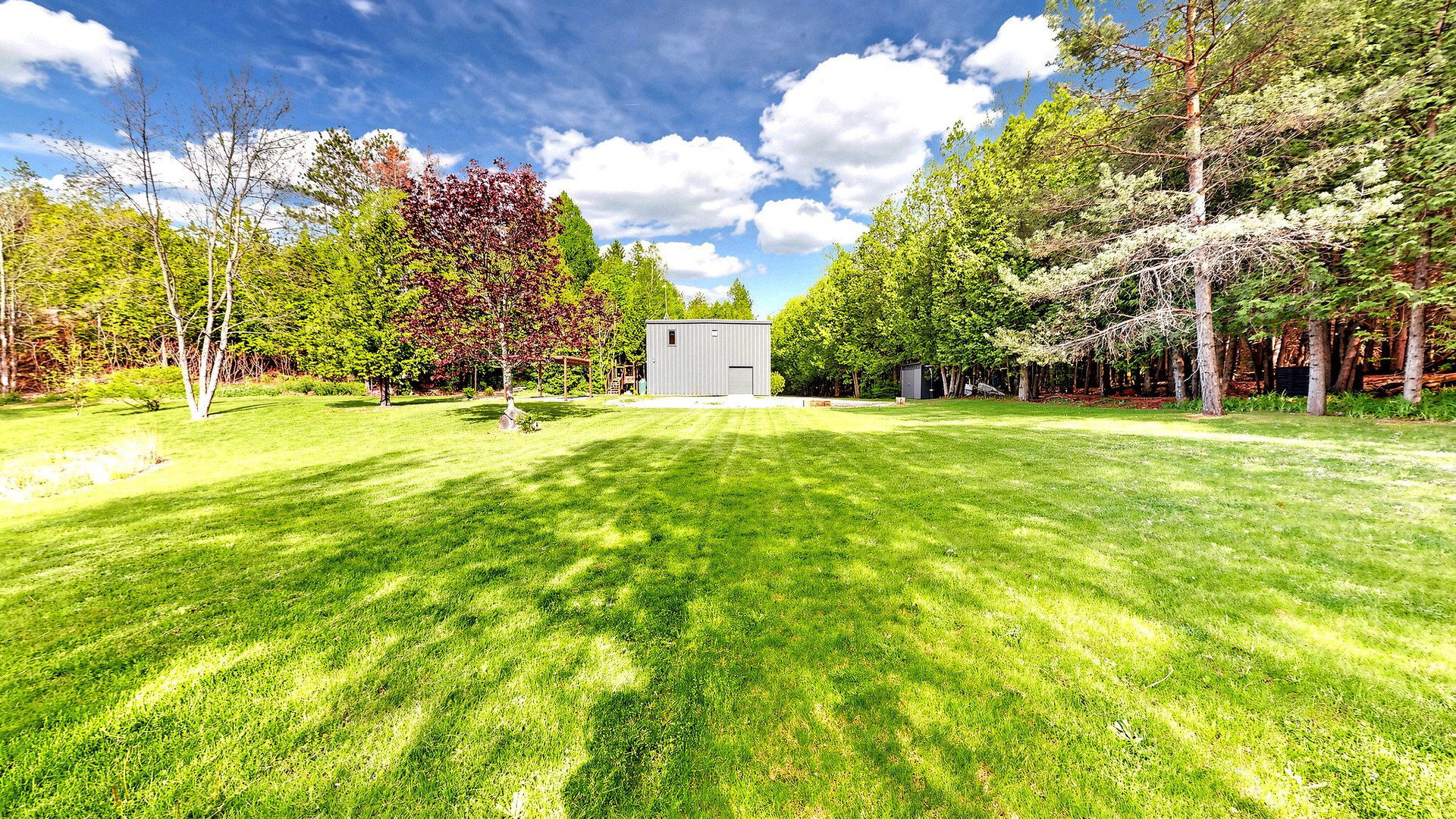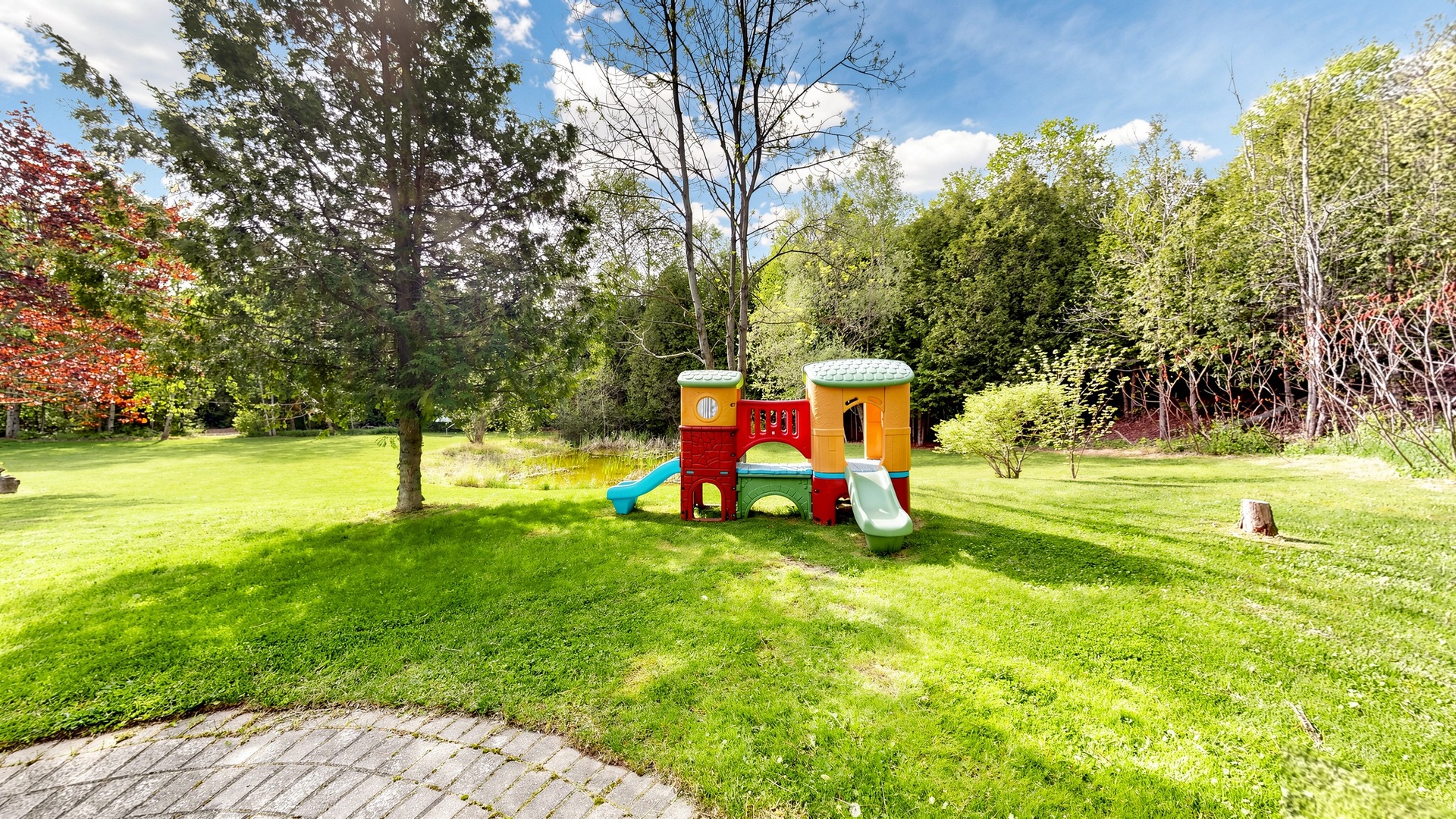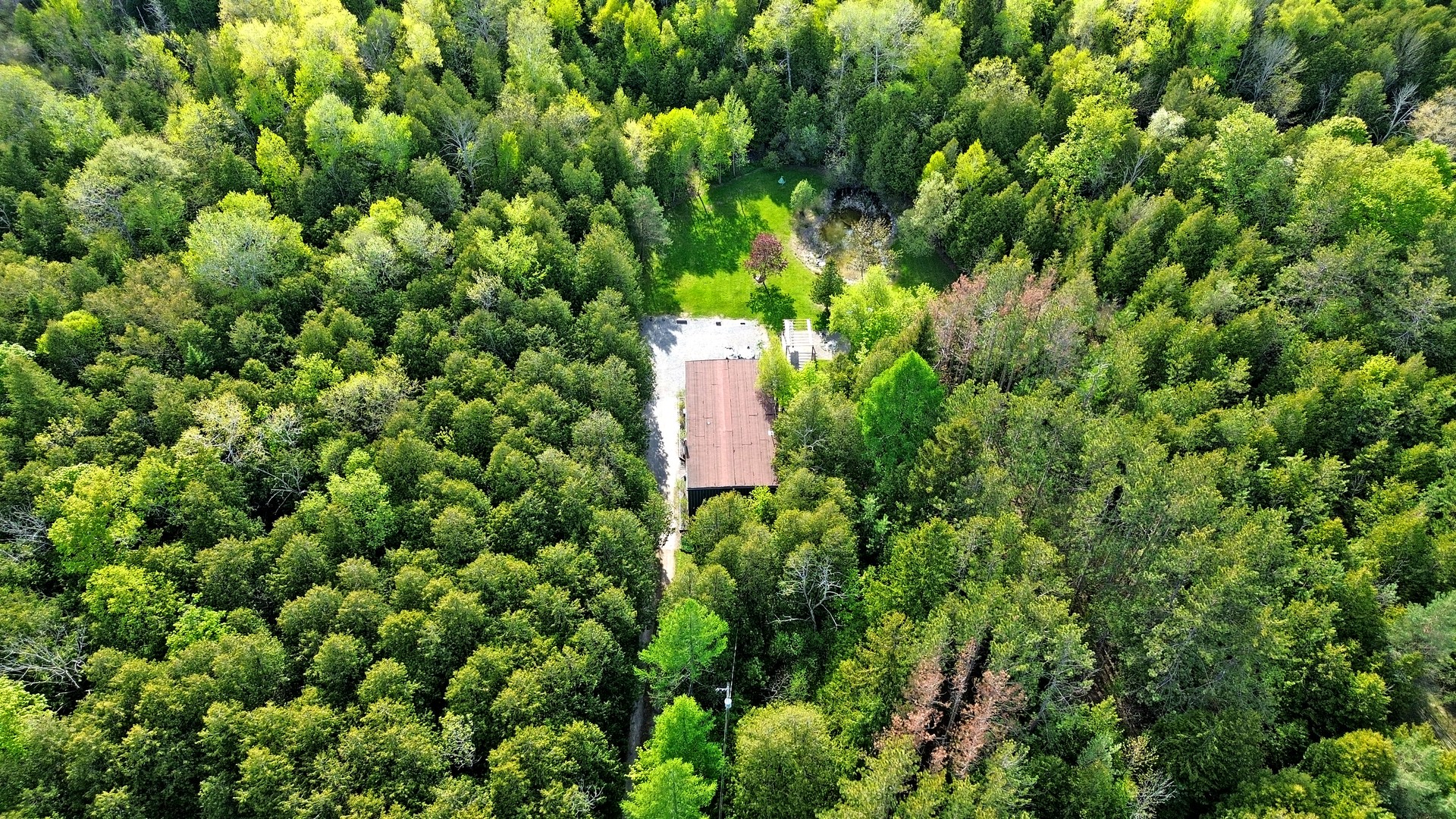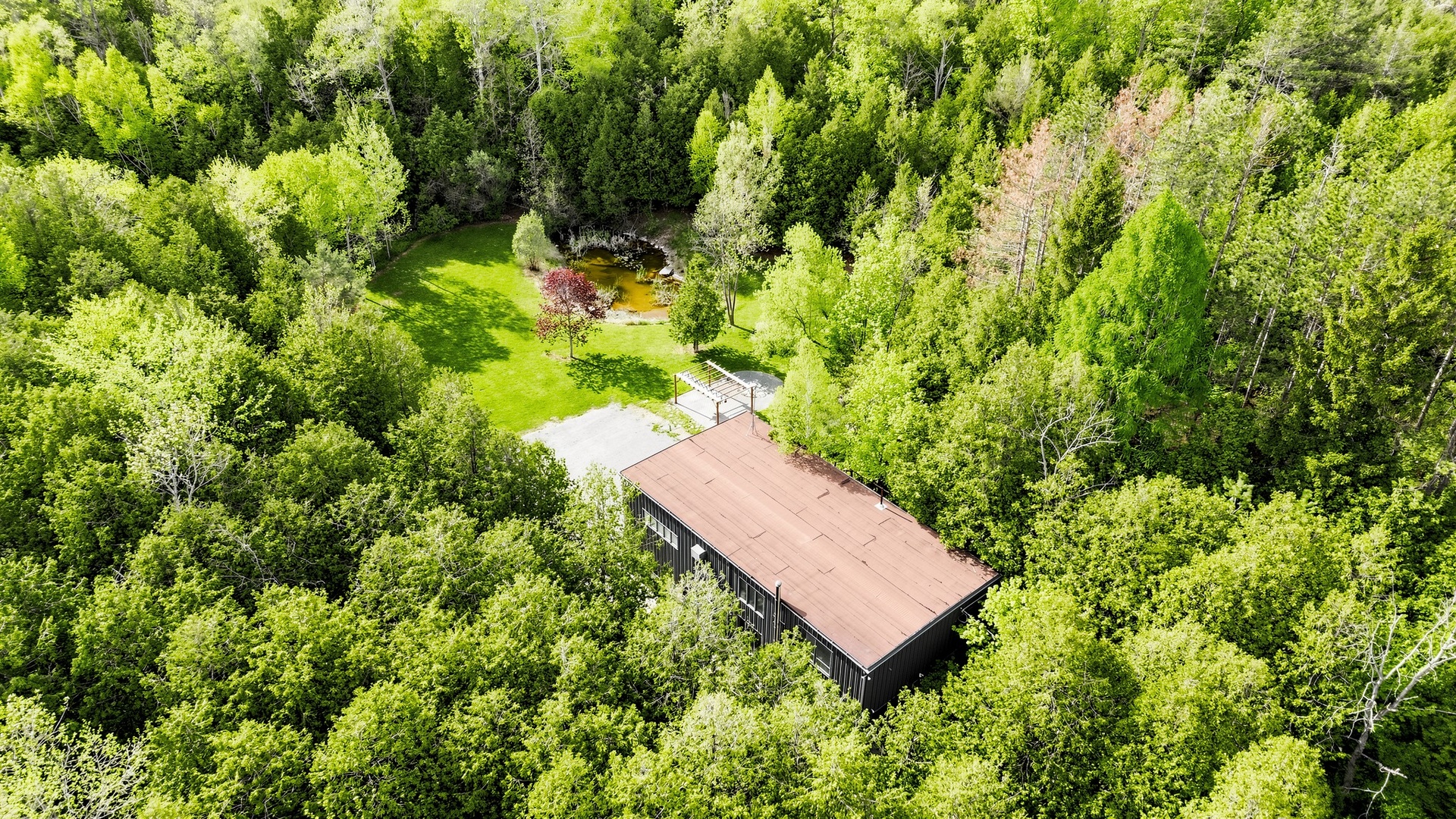
Buying acreage is not just buying a bigger backyard. It's buying water, soil, access and a set of rules you don't deal with in town. Get those right and rural land like 44 Edgewood will be one of the most rewarding things you own. Get them wrong and a beautiful parcel can become a headache. Here's the due-diligence checklist seasoned country buyers run before they sign.
1. Zoning & what you're allowed to do
Acreage near Guelph is typically zoned agricultural, rural-residential or environmental-protection, and each permits different uses. Before you buy, confirm with the township whether you can build a home, add outbuildings, run a hobby farm, keep animals, or operate a home business. If your plans depend on a use the zoning doesn't allow, you'd be relying on a variance or rezoning, which is never guaranteed.
2. Water: the most important question on rural land
There's no municipal water. Find out whether the property has a drilled well, how deep it is, what it yields, and when it was last tested. Ask for recent water-quality results (bacteria, nitrates, hardness). On raw land with no well, factor in the cost and uncertainty of drilling one. Reliable, clean water is the difference between a great parcel and a gamble.
- Well record and recent water-quality test results
- Septic permit, design and pump-out history
- Property survey (SRPR) showing boundaries and structures
- Tax bill and any conservation-authority correspondence
- Any easements, rights-of-way or shared-road agreements on title
3. Septic & services
Rural homes treat their own waste on site. Confirm the septic system's age, size and condition, and whether it has been maintained. Then map the rest: hydro (is it at the road, and how far to the house?), heating fuel (propane, wood, heat pumps, rarely natural gas), and internet, which matters enormously if you work from home.
4. Access & boundaries
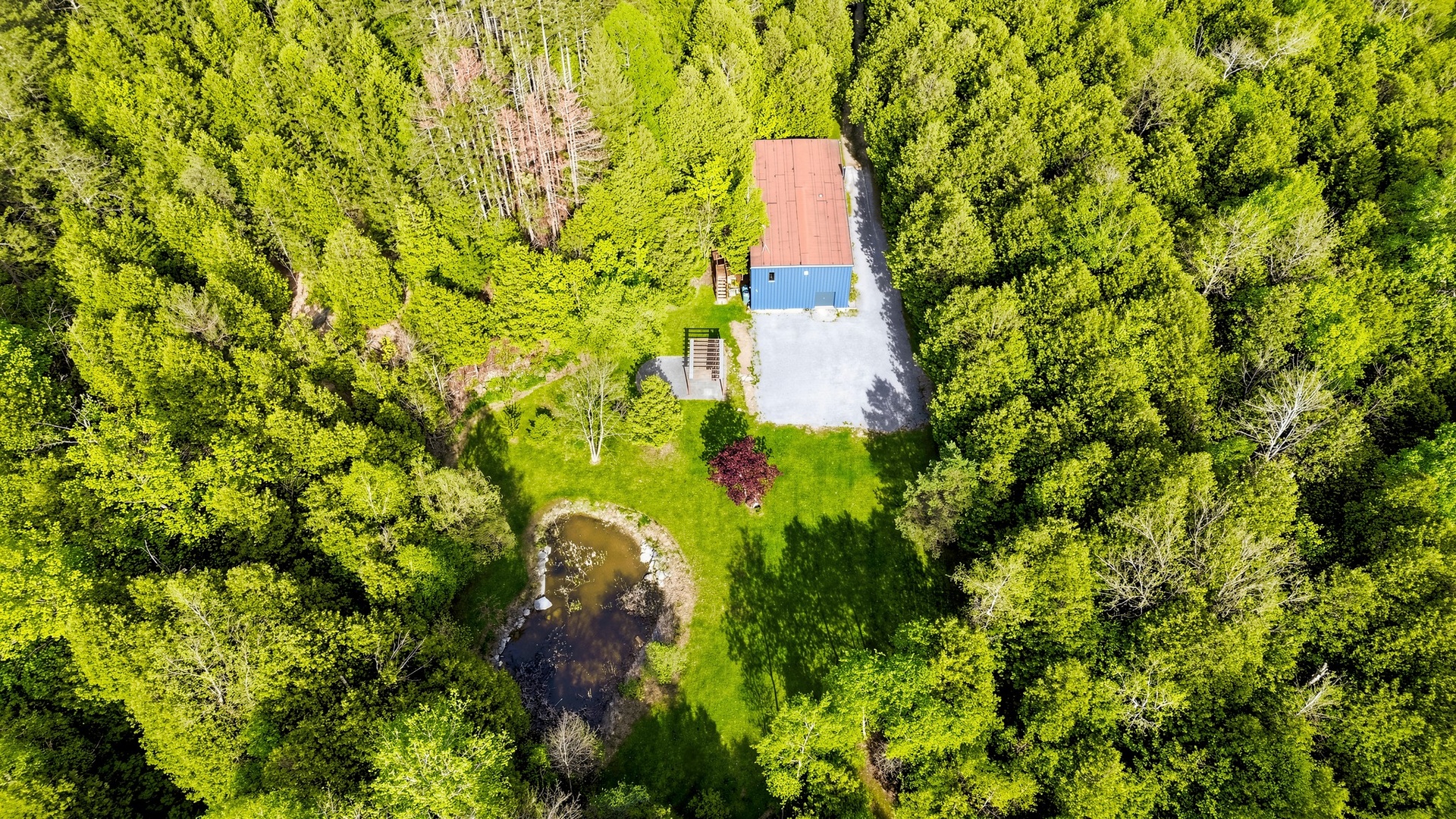
Confirm legal, year-round access to the land: a deeded frontage on a maintained road, not just a path across a neighbour's field. Ask whether the road is municipally maintained and plowed in winter. Then get a survey: fence lines and tree lines are not legal boundaries, and on acreage a few feet can mean a setback problem or a misplaced structure.
5. Water frontage, floodplains & conservation rules
A river or creek is a joy to own, but it brings oversight. Land near the Eramosa falls under the Grand River Conservation Authority, which may regulate building and grading near watercourses, wetlands and floodplains. This protects the land's character, but you'll want to understand where you can and can't build before you buy.
The most expensive surprises on rural land are almost never the house. They're the well that runs dry, the septic that fails the test, and the building envelope that's smaller than the parcel suggests.
6. Taxes, financing & insurance
- Property tax: Rural and forested land can be taxed differently; some managed forests qualify for reduced assessment under provincial programs. Ask how the parcel is currently assessed.
- Financing: Lenders treat raw land, hobby farms and unique buildings differently than standard homes. Line up a lender familiar with rural property early.
- Insurance: Distance to a fire hall, heating type and outbuildings all affect premiums. Get a quote before closing.
7. Walk the whole thing
Maps and listings flatten a property. Walk every corner: feel where it's wet, where it's high and dry, where the sun lands in the morning, where the trails could go. The best acreage purchases happen on foot, in good boots, with time to listen.
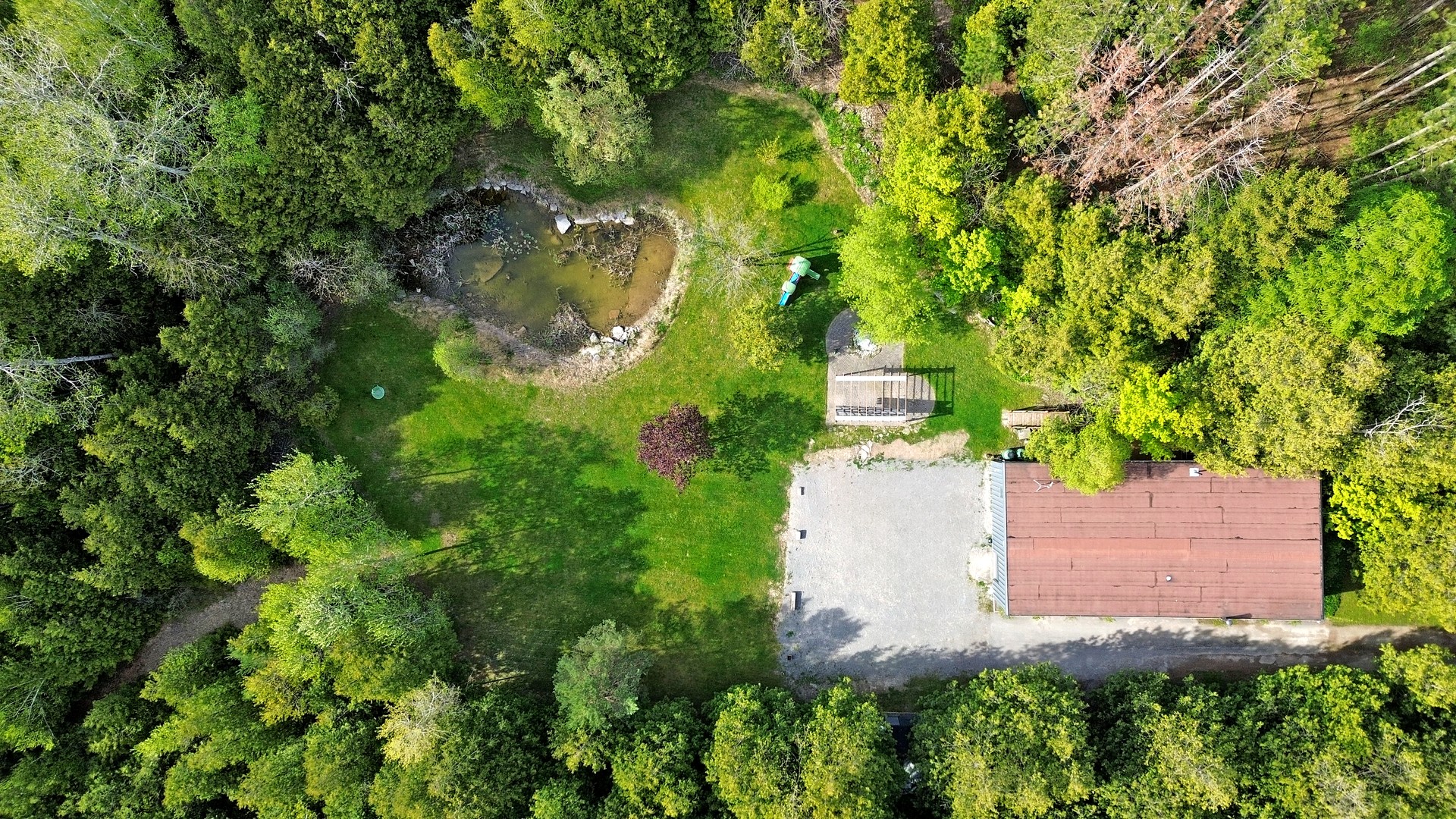
13.58 acres, already proven.
44 Edgewood Road comes with managed forest, 646 ft of Eramosa River frontage, a finished home and workshop, and the services in place. The rare acreage where the homework is largely done.
Owning acreage in Ontario is a long-game decision that pays back in space, quiet and freedom. Do the due diligence, lean on local experts, and buy the land with your eyes open, then enjoy it for decades.