Few things say "country life" quite like walking out on a frosty morning, lifting a nest-box lid and finding warm eggs waiting. Backyard chickens are the friendliest possible introduction to homesteading: low cost, low fuss, and genuinely delightful. If you've got a bit of land, here's how to start a flock the right way.
Check the rules first
On rural acreage, keeping hens is usually straightforward, but always confirm your township's zoning and any bylaws on flock size, roosters and coop placement before you build. Most country properties zoned agricultural or rural-residential allow a backyard flock with ease. It's one of the quiet luxuries of owning land.
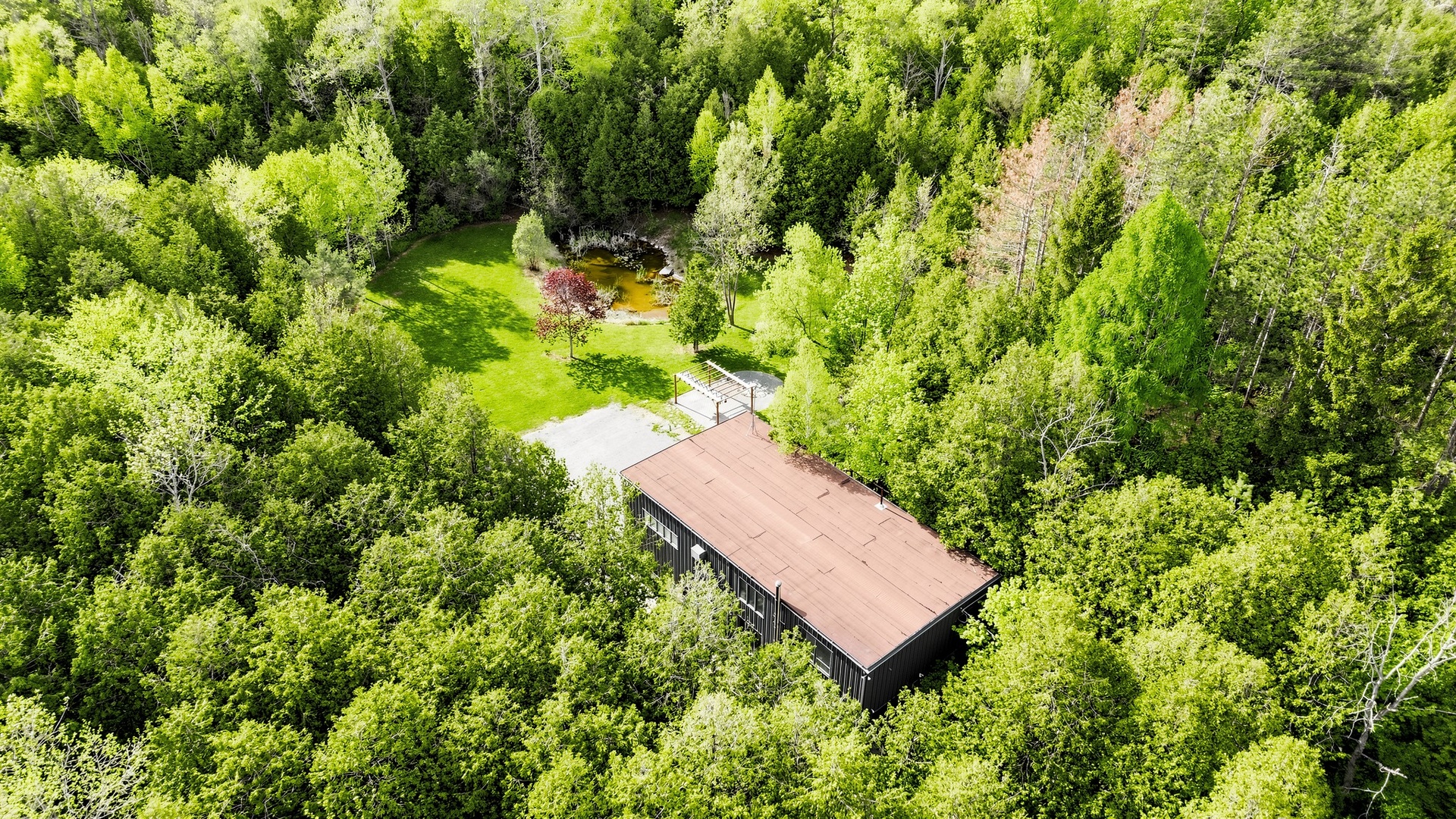
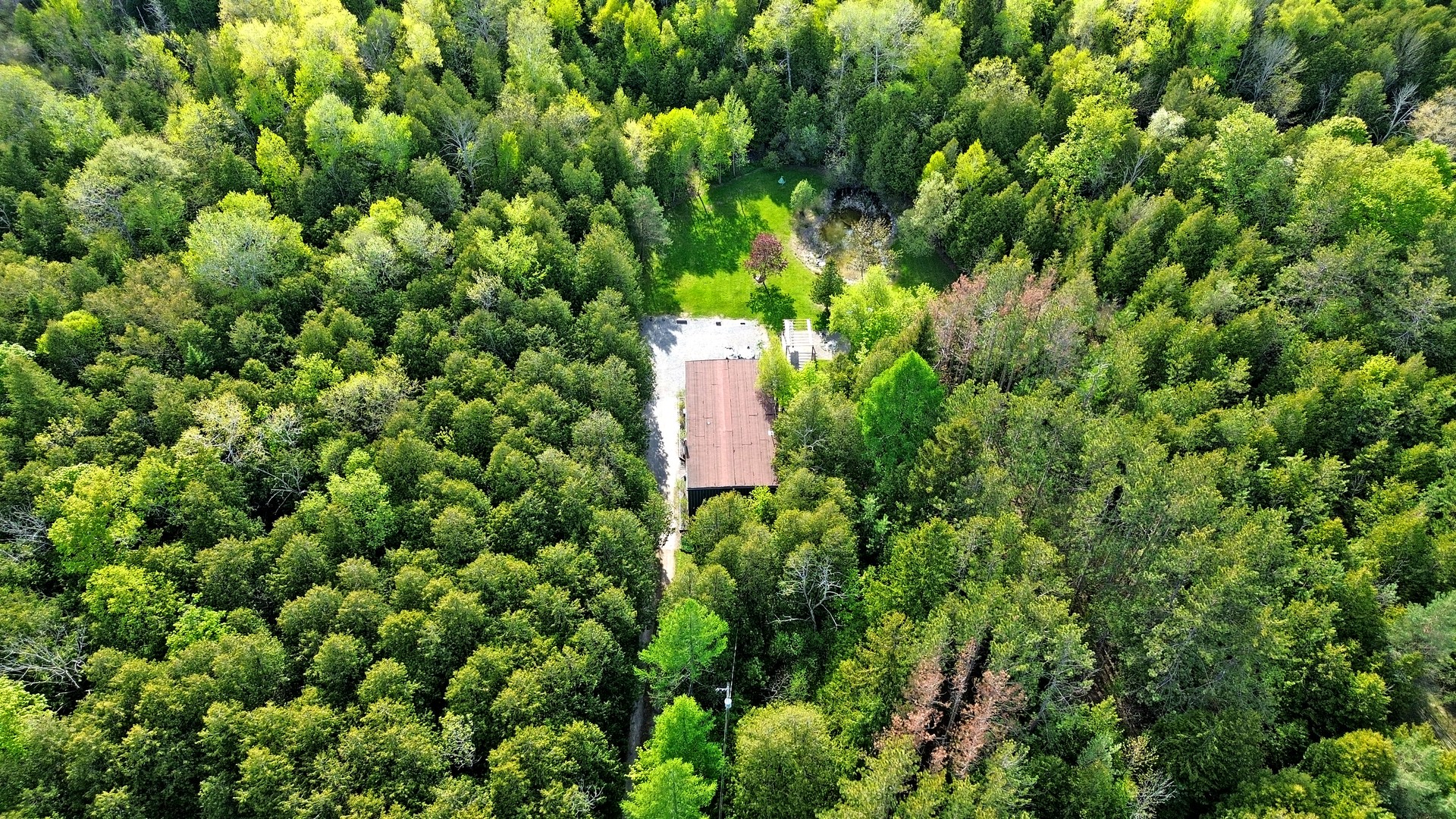
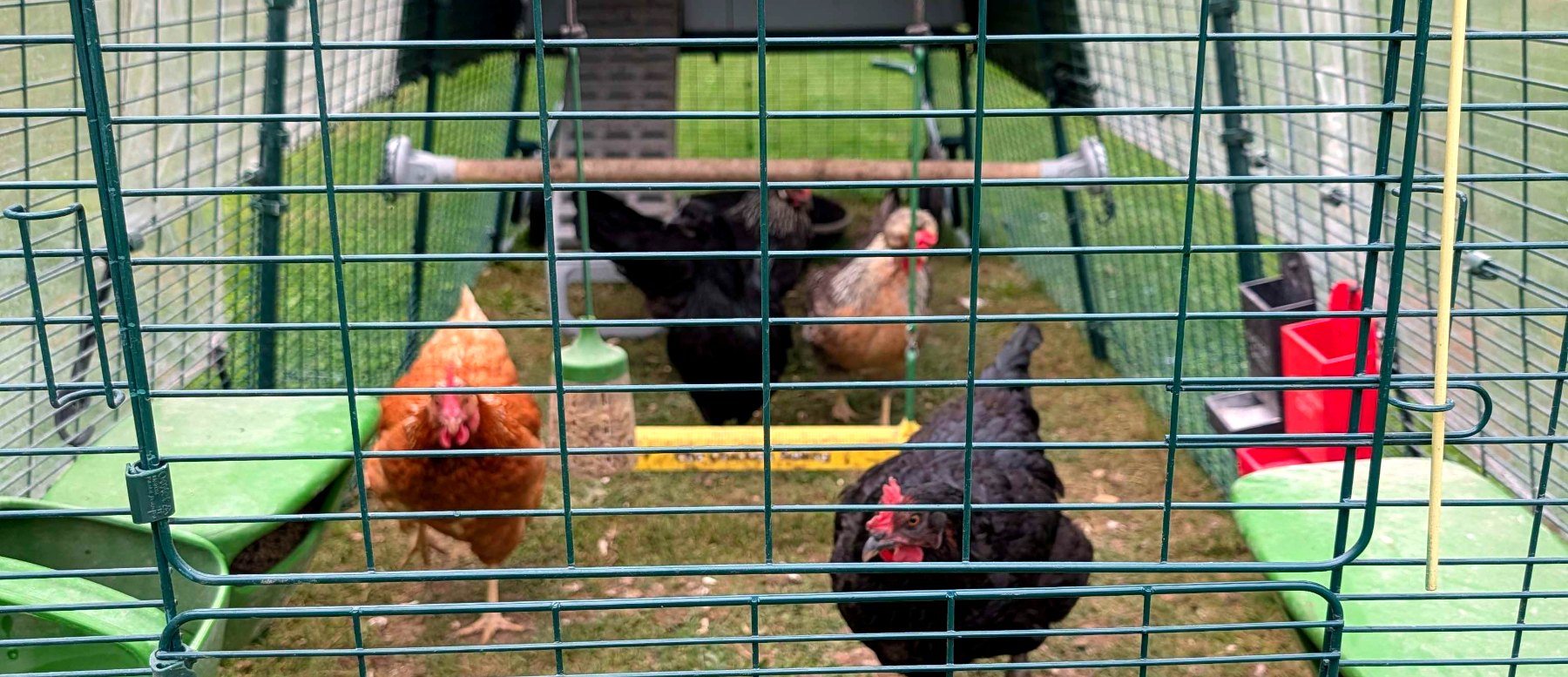
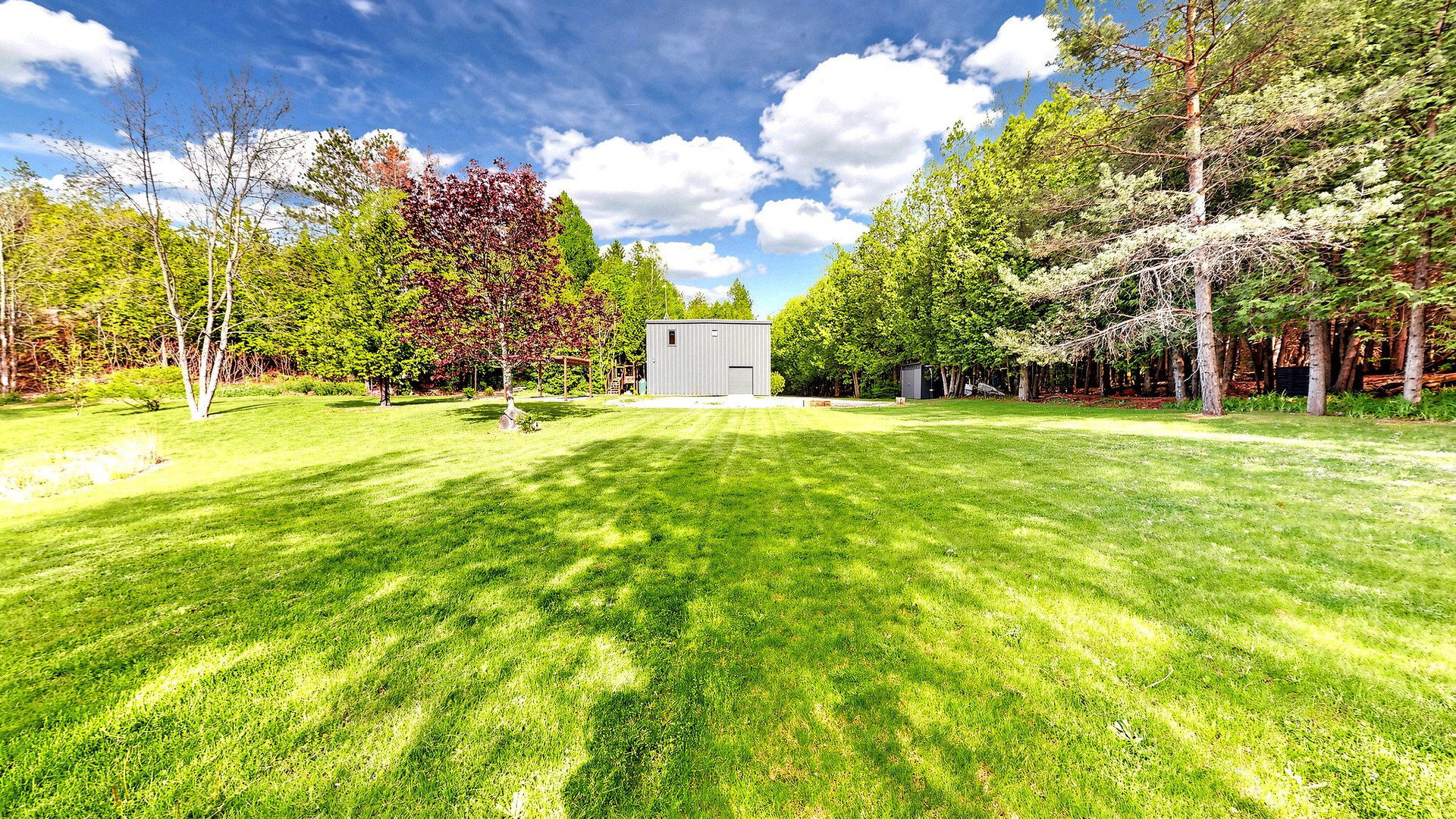
Because the 13.58-acre property is well over one acre and zoned Agricultural, you can keep a sizeable flock here (up to 10 chickens), far more than a typical town lot allows. The current owners keep a happy flock in a predator-proofed run on the land. (Always confirm the current township bylaws before expanding your flock.)
Start small: how many hens?
For a household, three to six hens is the sweet spot. Chickens are social and unhappy alone, so never keep just one. A productive hen lays roughly five eggs a week in her prime, so four or five birds keep a family in eggs without drowning you in them. You don't need a rooster for eggs, only for fertilised ones.
- Plymouth Rock & Sussex: calm, hardy, reliable layers. Great with kids.
- Orpington: big, friendly and cold-tolerant for Ontario winters.
- Rhode Island Red: tough, productive brown-egg layers.
- Australorp: gentle and among the best layers you can keep.
The coop: their home base
The coop is where chickens sleep, lay and shelter. Plan for roughly 3–4 square feet of indoor space per bird, plus a larger outdoor run. A good coop has:
- Roosting bars off the floor, where hens sleep.
- Nest boxes: about one per three or four hens, lined with straw.
- Ventilation up high to release moisture without creating a draft.
- Easy-clean access and a door you can close at dusk.
Predator-proofing: the part beginners underestimate
Out in the country you share the land with foxes, raccoons, coyotes, weasels, hawks and owls. A flock is only as safe as its weakest gap. The golden rules:
- Bury hardware cloth around the run's perimeter, or run a wire skirt outward, to stop diggers.
- Use ½-inch hardware cloth, not chicken wire. Raccoons tear through chicken wire and reach through wide mesh.
- Cover the run from above against hawks and climbing predators.
- Close the coop every night. A dusk routine is the single best predator defence there is.
Feeding, water & daily care
Layers need a complete layer feed for the protein and calcium that make strong shells, plus constant access to clean water and a dish of grit. Scraps and foraging are a bonus, not the main diet. The daily rhythm is simple: open the coop in the morning, top up food and water, collect eggs, and close up at dusk. Fifteen minutes a day keeps a small flock thriving.
Chickens are the gateway animal of homesteading. Cheap to keep, endlessly entertaining, and they turn kitchen scraps and bugs into breakfast.
Winter on the land
Ontario winters sound daunting for chickens, but cold-hardy breeds handle them well. The enemies are damp and draft, not cold. Keep the coop dry and well-ventilated, use the deep-litter method for insulation, switch to a heated waterer so it doesn't freeze, and let the birds choose whether to venture into the snow. Most will tuck in and keep laying through the short days, especially with a little supplemental light.
Why acreage makes it easy
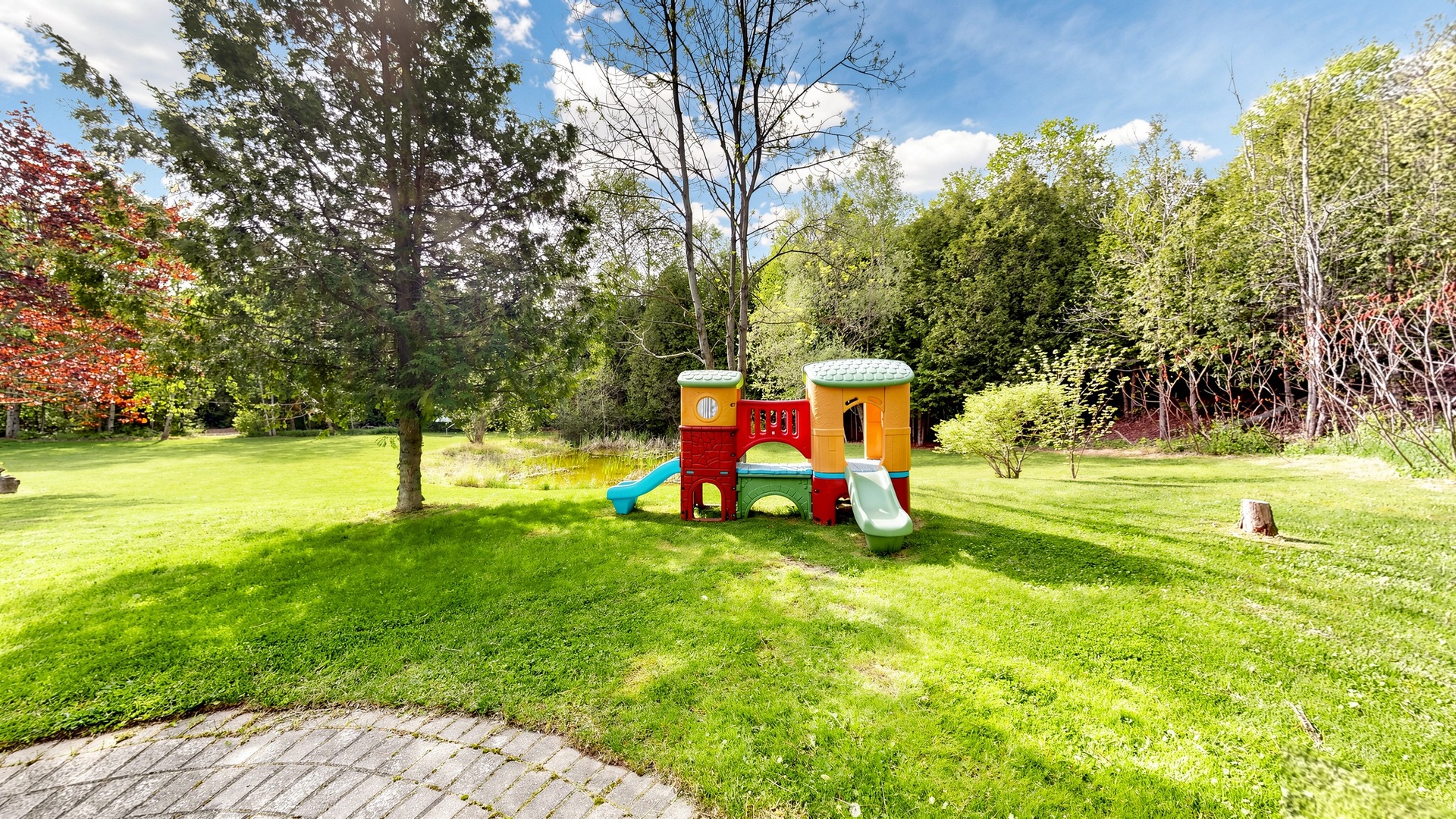
You can keep hens on a small lot, but land changes the experience entirely. Room to free-range means healthier, happier birds and richer eggs; distance from neighbours means a rooster is your call; and a forest edge gives them shade, bugs and dust baths. A country property turns chicken-keeping from a hobby into a genuine slice of self-sufficiency.
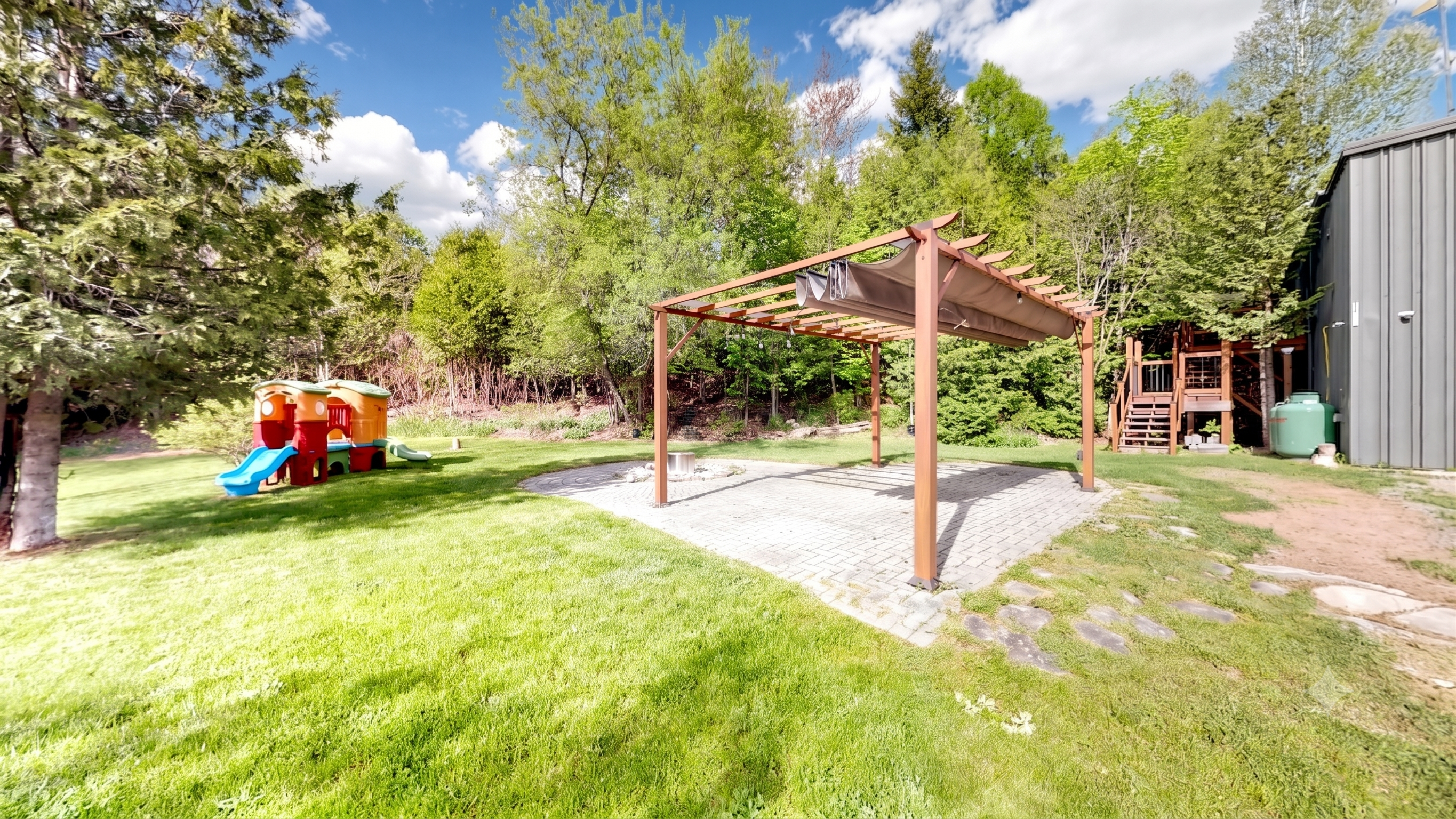
Land enough to grow into.
With 13.58 acres, open lawns, a workshop and forest at the edge, 44 Edgewood Road is made for a coop, a garden, and the kind of country life you've been picturing.
Start with a handful of friendly hens, a solid coop and a dusk routine, and you'll wonder why you waited. The eggs are just the beginning.