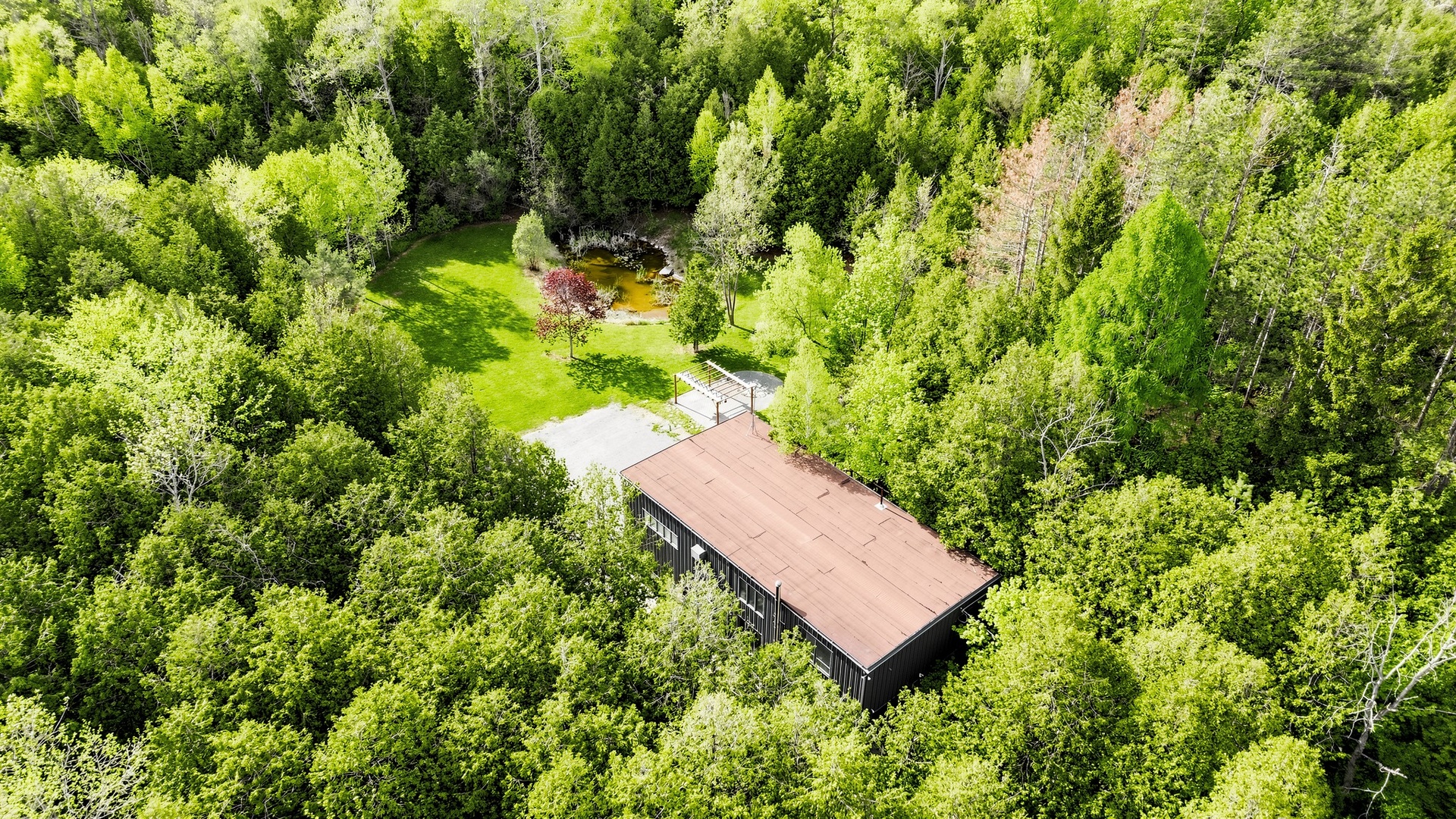
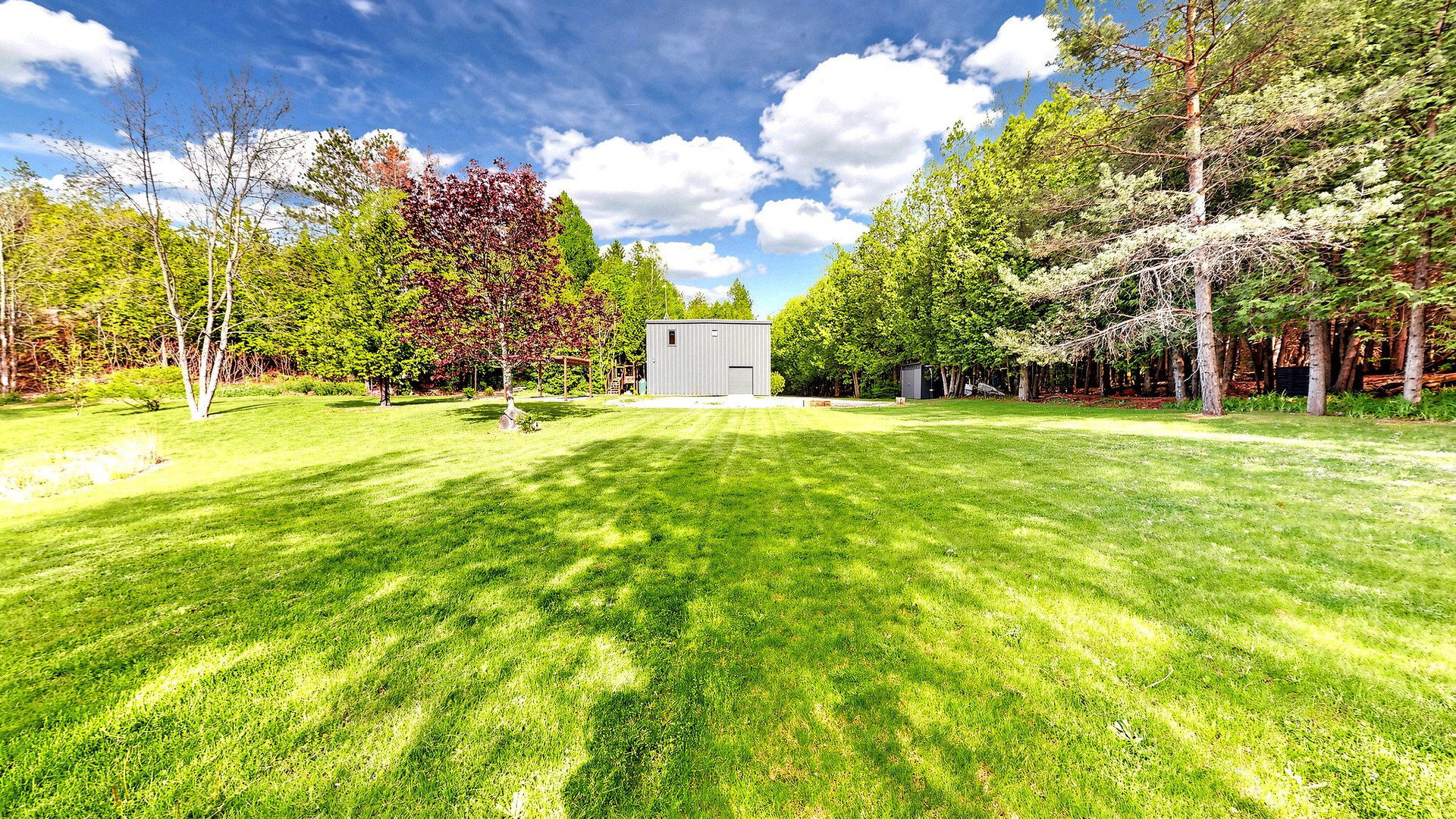
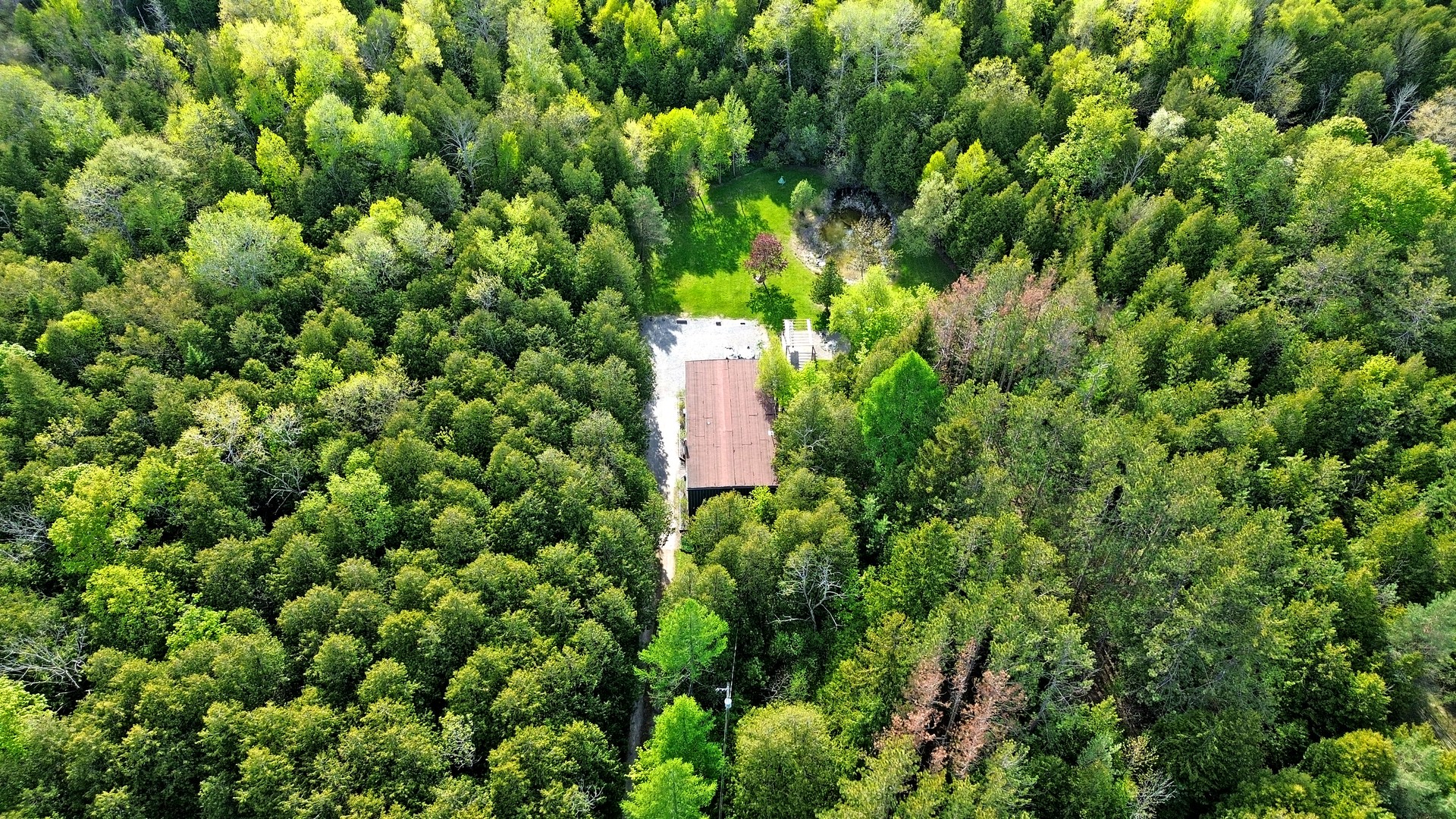
Here's something most people don't know about owning forest in Ontario: the province will actually pay you back for taking care of it. Not literally, but through a program that cuts your property taxes by 75% on every acre of managed woodland you own. It's called the Managed Forest Tax Incentive Program, and it's one of the best reasons to own forested land in this province.
At 44 Edgewood Road, it's already working. The 9+ acres of managed forest on the property are enrolled in the program, saving the owner 75% on the forest portion of their property taxes, every single year.
What is the MFTIP, exactly?
The Managed Forest Tax Incentive Program (MFTIP) is a voluntary provincial program that encourages private landowners to care for their forests sustainably. The deal is straightforward: you commit to a forest management plan, you follow through on it, and in return, your forested land gets taxed at 25% of its normal municipal tax rate.
That's a 75% reduction in property taxes on the forest portion of your land. Year after year, for as long as you stay enrolled.
It's not a loophole or a temporary rebate. It's a well-established program designed to reward landowners who actively steward Ontario's forests rather than leaving them to neglect or clearing them for other uses.
Do you qualify?
The eligibility requirements are more accessible than most people expect. According to the Ontario government's official MFTIP page, you need to:
- Have at least 4 hectares (9.88 acres) of forest on a single property in Ontario, on one municipal roll number
- Meet a minimum tree density: a certain number of trees per hectare (details in the MFTIP Guide)
- Prepare a Managed Forest Plan: a written document outlining how you'll care for and sustain your woodland
That's it. You don't need hundreds of acres. You don't need to be a commercial timber operation. A thoughtfully managed 10-acre forest qualifies, which is exactly why 44 Edgewood Road's 9+ acres of woodland are enrolled right now.
The property's 9+ acres of managed pine and hardwood forest are already enrolled in the program, saving the owner 75% on property taxes for the forested portion of the land. A new owner would simply continue the existing management plan. The savings transfer with the property.
How the savings actually feel
Let's put this in real terms. Without the program, every acre of your property is taxed at the full residential rate, which in most Ontario municipalities adds up fast, especially on larger parcels. With MFTIP enrollment, the forested portion drops to just 25% of that rate.
On a property like 44 Edgewood, where more than 9 of the 13.58 acres are managed forest, the annual savings are substantial. Over a decade, those savings can add up to tens of thousands of dollars. Money that stays in your pocket simply because you're caring for your trees.
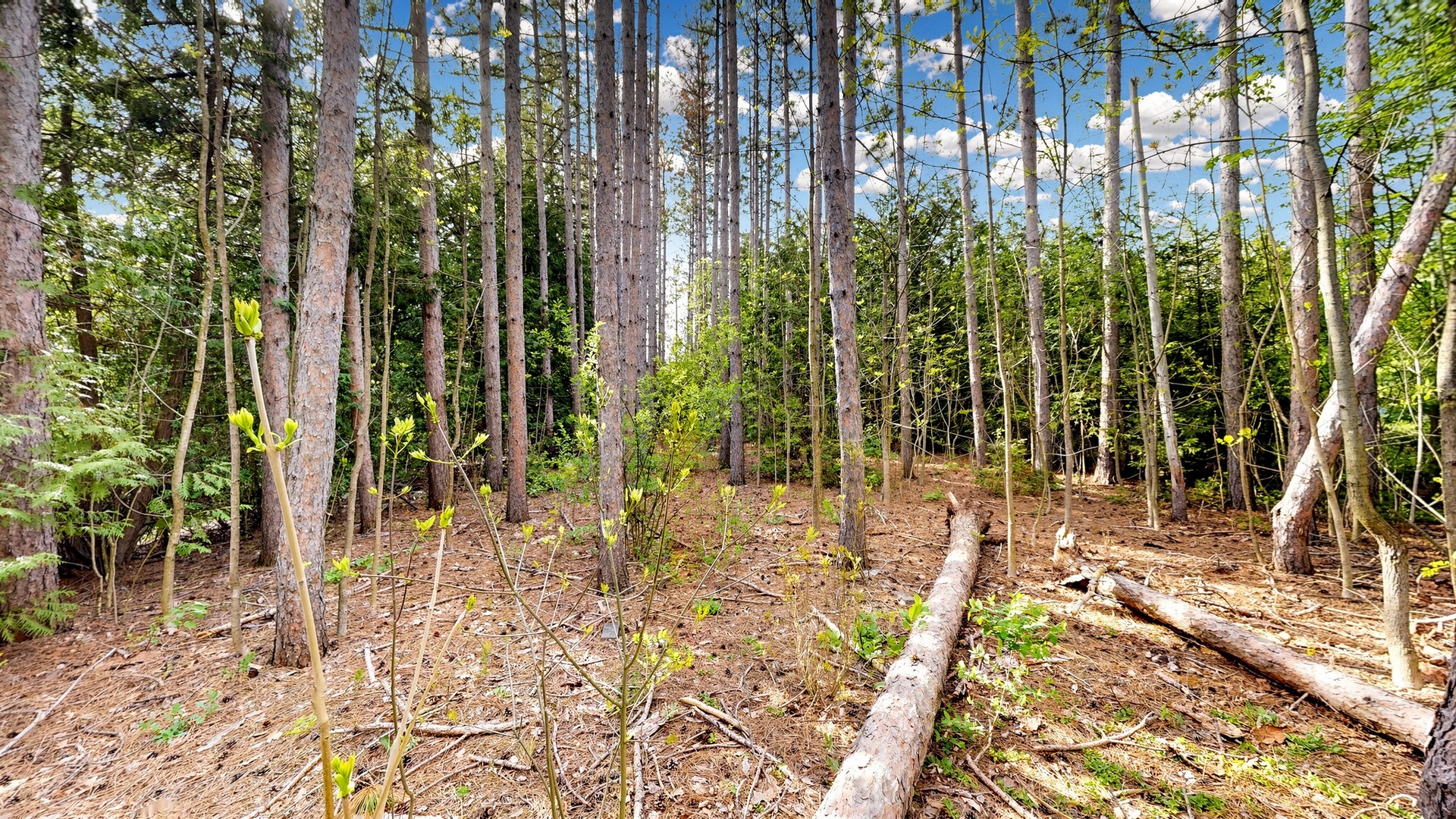
The Managed Forest Plan
The heart of the program is your Managed Forest Plan, a written document that describes your forest and how you intend to look after it. It doesn't need to be complicated. A typical plan covers:
- What's growing on your land (tree species, age, density, health)
- What you want to achieve (wildlife habitat, timber, recreation, conservation, or all of the above)
- What you'll do over the coming years (selective thinning, replanting, trail maintenance, invasive species management)
- How you'll protect sensitive areas (creek buffers, wetlands, old-growth stands)
You don't need to be a forester to write one. Many landowners work with a professional forestry consultant to put their plan together. It typically costs $1,000–$3,000, and the tax savings in the first year alone usually cover it.
At 44 Edgewood, the existing Managed Forest Plan is already in place. A new owner simply steps into it.
How to enroll
If you're buying forested land in Ontario (or already own some), here's the path:
- Check your acreage. You need at least 4 hectares (9.88 acres) of forest on one property.
- Prepare your Managed Forest Plan. Work with a forestry consultant if you'd like help, or write it yourself using the province's MFTIP Guide.
- Apply through your municipality. Submit your plan and application to your local municipal property assessment office.
- Get approved and start saving. Once enrolled, your forest land is reassessed at the reduced rate: 25% of the normal municipal tax rate.
- Keep your plan current. Review and update your plan periodically to stay enrolled.
With just 9.88 acres of forest, you qualify for a 75% property tax reduction on that land, year after year. At 44 Edgewood, those savings are already in place for the next owner.
Why this matters for rural buyers
When people think about buying acreage in Ontario, property taxes are often a concern. More land means more tax, right? The MFTIP flips that equation. If a significant portion of your land is forest, and you're willing to manage it thoughtfully, the tax burden drops dramatically.
It's one of those rare government programs that genuinely rewards doing the right thing. You get to live among beautiful, healthy forest. The wildlife thrives. The watershed benefits. And your tax bill shrinks.
For a property like 44 Edgewood, where the forest isn't just scenery but an enrolled, managed asset, it's one more reason the numbers work beautifully for the right buyer.
9+ acres of tax-incentivized forest, waiting for you.
44 Edgewood Road's managed woodland is enrolled in Ontario's MFTIP, saving 75% on the forest portion of property taxes. The plan transfers with the property.
For full program details, visit the Ontario MFTIP page or reach out. We're happy to walk you through how the savings work at 44 Edgewood.